
Does Lance Stephenson Have Fake Hair? A Lance Stephenson Hairline Movement is Changing the Future of Hair loss
The Lance Stephenson Hairline Movement is a trend that has taken the fashion world by storm, and is changing the future of hair loss for black men around the world. In recent years, men have been using various techniques to cover up their bald spots, and give the illusion of having spinning waves like Lance Stephenson. These techniques range from using fake hair, to laser hair restoration, to scalp micropigmentation, to surgical hair transplants.
The trend is largely driven by the need for men to look more attractive and fashionable. With the rise of social media, men have become increasingly conscious of their appearance, and the Lance Stephenson Hairline Movement has given them a way to feel more confident about their appearance. There is a conspiracy theory that Lance Stephenson has fake hair, which is another reason why the movement has been inspired by him.
The Most Popular Hair Restoration Techniques Used in the Viral Lance Stephenson Hairline Movement
Fake hair is the most popular technique used in the Lance Stephenson Hairline Movement. This involves using synthetic hair to cover a bald spot. Fake hair can be attached to the scalp using glue, tape, or clips. It can also be attached using a surgical method known as FUE (follicular unit extraction). Fake hair is often used to cover thinning spots, or balding areas, but it can also be used to add volume and texture to the hair. Conspiracy theorists believe Lance Stephenson used the fake hair technique in the video below to achieve his magnificent waves.
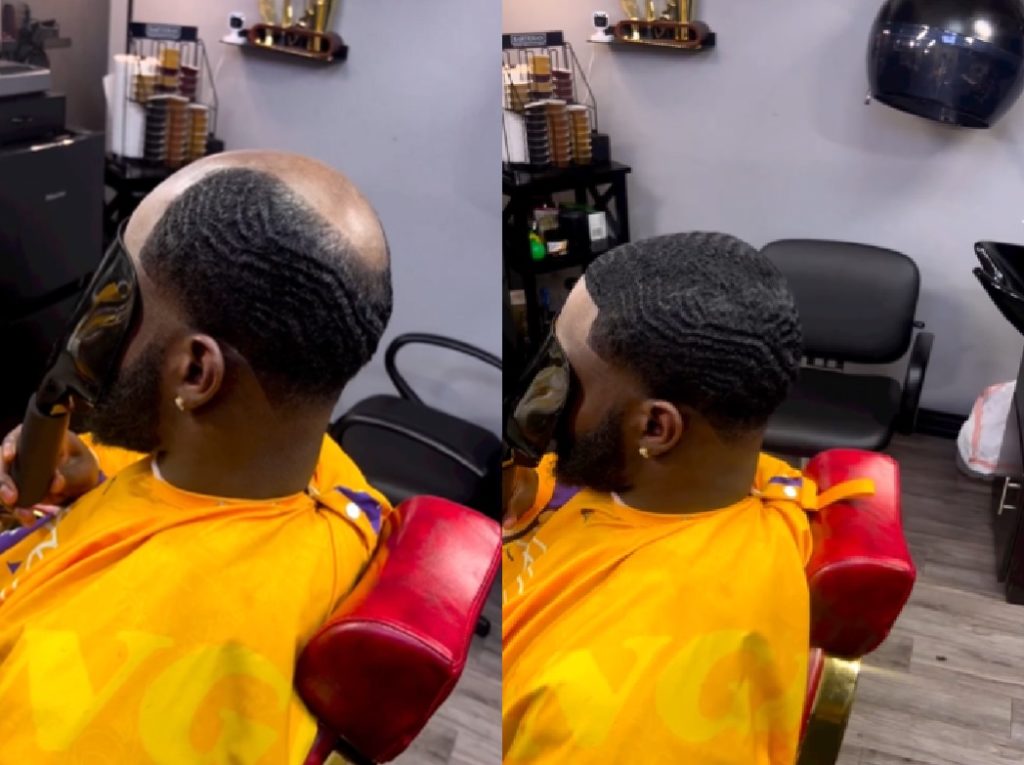

Laser hair restoration is another popular technique used in the Lance Stephenson Hairline Movement. This involves using laser technology to stimulate hair growth in balding areas. The laser light is absorbed by the scalp and stimulates the cells in the balding area, causing them to start producing new hair. This process can take several months, and may require multiple treatments, but it can be an effective way to cover bald spots and restore a full head of hair.
Scalp micropigmentation is another popular technique used in the Lance Stephenson Hairline Movement. This involves using a special pigment to create lines that resemble hair follicles on the scalp. The pigment is applied to the scalp in a pattern that mimics the pattern of real hair follicles, giving the illusion of fuller hair. This technique is often used to cover thinning spots or balding areas, or to create the illusion of a fuller head of hair.
Surgical hair transplants are a more extreme technique used in the Lance Stephenson Hairline Movement. This involves taking hair follicles from the back of the scalp, and transplanting them to the front or top of the head. The transplanted follicles are then able to take root and produce new hair.
Are you planning to join the Lance Stephenson Hairline movement? Current NBA players like Lebron James and Kevin Durant would definitely benefit from it.
Explore Related Articles

Why are Roscoe’s Chicken and Waffle Employees Refusing to Snitch on...
As the days go by the details surrounding the shooting death of PNB Rock continues to get deeper. What people thought was robbery committed by one man was actually a family plot involving a father, son, and mother. Police reports say the man who allegedly pulled the trigger was...
Cold Hearted Woman Rejects 50 Men in 40 Minutes After They...
In the dating world getting rejected by a person you're interested in can be one of the most demoralizing things. It's even worse when the person doesn't even give you chance to spit game, and see where it can lead. We all know that men reject women sometimes, but...

Servant Foundation Accused of Corruption After ‘Jesus Gets Us’ Super Bowl...
The Super Bowl is not just a sports event, but also a cultural phenomenon that attracts millions of viewers in the US. It’s a prime opportunity for advertisers to showcase their products and messages to a massive audience. But this year, a new and unexpected advertiser joined the game,...